Jahanabad Buddha, Swat: History, Restoration and Visitor Guide

jahanabad buddha swat

Carved into a reddish sandstone cliff above Jahanabad village, the Jahanabad Buddha is one of the most remarkable surviving Buddhist rock reliefs in Pakistan. The approximately seven-metre-high seated figure overlooks a valley near Manglawar in Swat.
The carving—also known as the Shakhorai Buddha—is generally associated with the later Buddhist period of Swat, around the seventh or eighth century CE. Its serene posture, elevated setting and survival through centuries make it an important monument of Gandharan and post-Gandharan Buddhist heritage.
The Buddha’s face was deliberately damaged in 2007 and subsequently restored through a careful conservation project. Today, the monument represents both Swat’s ancient Buddhist past and the modern effort to protect threatened cultural heritage.

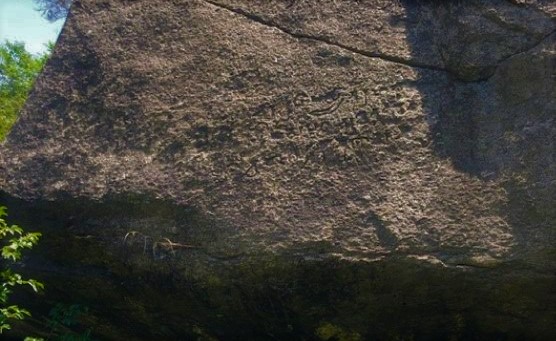
Jahanabad Buddha rock from distance

How large is the Jahanabad Buddha?

The principal seated Buddha measures approximately seven metres high and five metres wide. It is carved in high relief into the face of a large sandstone boulder.

Advertisement

The Buddha is shown seated in meditation, wearing a robe whose folds extend across the body and seat. The figure includes characteristic features of Buddhist imagery, such as elongated ears, tightly curled hair and the ushnisha or cranial prominence.

A second, considerably smaller Buddhist carving has also been documented in the wider Jahanabad area. It should be discussed separately rather than described simply as another version of the large Buddha.

History of the Jahanabad Buddha

Jahanabad lies within ancient Uḍḍiyāna, a region traditionally associated with the Swat Valley and renowned in Buddhist sources. From approximately the early centuries CE onward, Swat developed into an important centre of Buddhist worship, art and monastic activity.

Advertisement

The style of the Jahanabad relief suggests that it belongs to a comparatively late phase of Buddhism in Swat, commonly dated around the seventh or eighth century CE. It differs from the earlier freestanding Gandharan sculptures displayed in museums because it was carved directly into a natural cliff.

The name Shakhorai Buddha comes from the older local name associated with the site.

Jahanabad belongs to the wider Buddhist landscape of Swat. Travellers exploring this heritage can also visit the monumental Balo Kalay–Gumbat Buddhist site near Barikot.

Old graveyard, Jahanabad

How to reach the Jahanabad Buddha

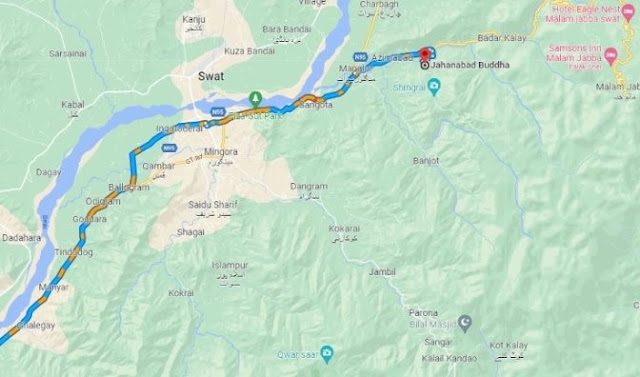
Jahanabad lies near Manglawar on the route towards Malam Jabba. From Islamabad, the general journey follows the M-1 and Swat Expressway towards Mingora before continuing towards Manglawar and Jahanabad.
Advertisement

During my visit, the journey from Islamabad took approximately four hours. Present travel time will depend upon traffic, motorway conditions and congestion around Mingora.

jahanabad buddha swat
Swat Motorway

The final approach requires a short uphill walk through village and agricultural land. Ask locally for the recognised path, remain on established tracks and obtain permission before crossing private orchards.
jahanabad buddha swat
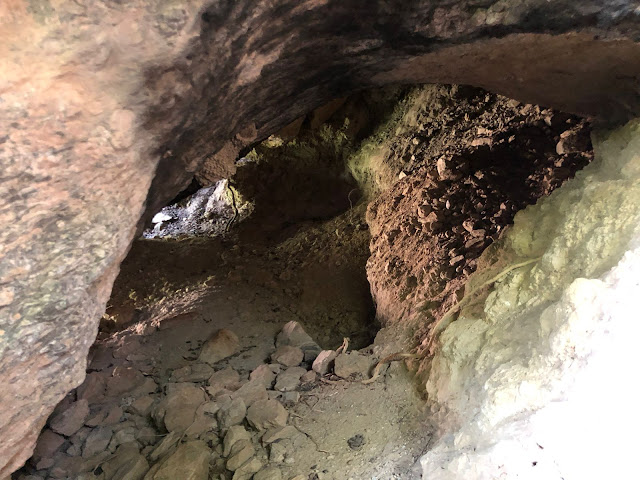
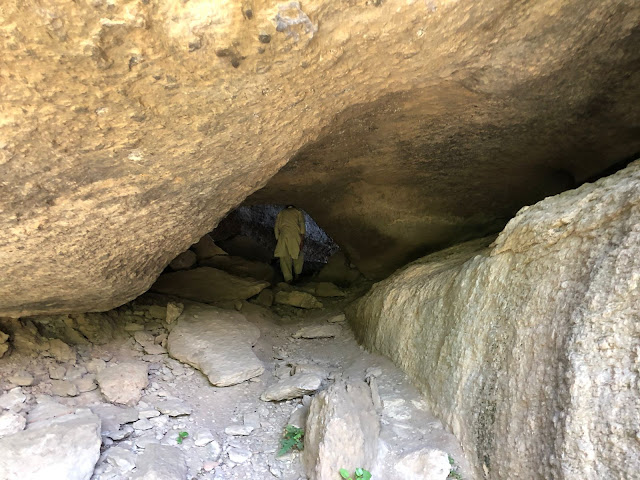
meditation cave behind the Buddha Image

What to see at Jahanabad

The principal attraction is the monumental seated Buddha carved into the cliff. The surrounding landscape also contains smaller carvings, rock shelters and archaeological traces associated with Swat’s long Buddhist history.

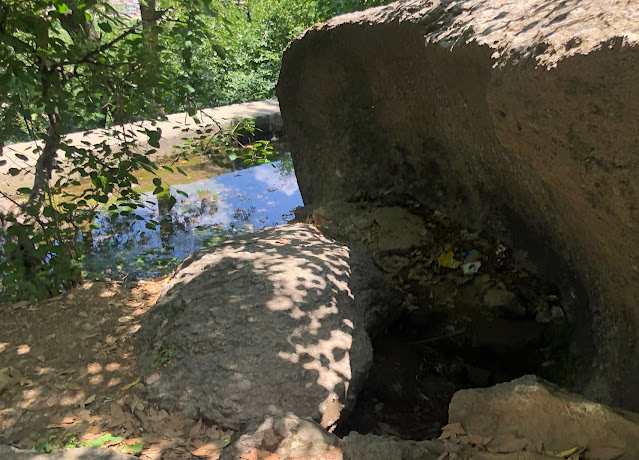
Some features around the site are difficult to interpret without specialist archaeological study. Hollows, channels, platforms and caves should not automatically be labelled as meditation chambers, sacrificial platforms, sacred ponds or waterfalls.
Do not climb behind or above the Buddha without an authorised local guide. Loose rock, steep slopes and damage to the archaeological setting make unrecognised routes unsafe.
Advertisement

Then, there are beautiful orchards full of Peach and Apricot in May, the kind you would never find in the market.

It takes 20 min of a light hike to reach the Jahanabad Buddha Figure and 15 min of a tricky climb to reach the meditation cave behind the great rock.

jahanabad buddha swat
Hiking towards Jahanabad Buddha

The best time to visit Jahanabad Buddha Swat

The best time to visit Jahanabad stupa is in spring February to March and winter from September to January because it gets scalding in the summer.

Try going there on weekdays and early in the morning to avoid traffic during the day in the town of Mingora

jahanabad buddha swat
On the way to Jahanabad Buddha

Water and hiking preparation

Carry your own drinking water. Natural spring water may appear clean but can contain microorganisms or contamination that cannot be seen.

Wear shoes with a firm grip, protect yourself from the sun and avoid attempting the climb during rain. Begin the return journey well before sunset.

View while hiking

Damage and restoration of the Jahanabad Buddha

Militants deliberately attacked the Buddha in 2007, using explosives that severely damaged the face and upper portion of the carving.

Conservation work was later undertaken by the Italian Archaeological Mission in collaboration with Pakistani heritage authorities. Specialists used earlier photographs, laser surveying and recovered fragments to reconstruct the damaged face while intentionally leaving some evidence of the attack visible.

The physical restoration was completed in 2016. The project repaired the figure without pretending that the monument had never been damaged, preserving both its ancient form and its more recent history.

Gambatuna means Stupa in pushtu Language

Archeological treasures of Swat

There is a legend of this excavator operator who was working on the Mingora- Malam Jabba road and he struck gold while working one night. The guy got off this excavator and retired back home to enjoy his bounty.

Now everyone in Swat wants to be an excavator operator or a metallic detector technician.

I wish the Pakistani leadership realizes there is a lot more to life than amassing power and exploiting their people and letting potential jackpot disciplines like archaeology flourish.

Buddhist sites in Swat

Other Buddhist archeological sites to visit in Swat include

  • Aba Sahib Chena Stupa
  • Tokar Dara Stupa Najigram
  • Singardara Stupa

jahanabad buddha swat

  • Amluk Dara Stupa
  • Bazira archeological remains Barikot
  • Gogdara Rock Carvings
  • Ghaligai Cave
jahanabad buddha swat
VIew while hiking

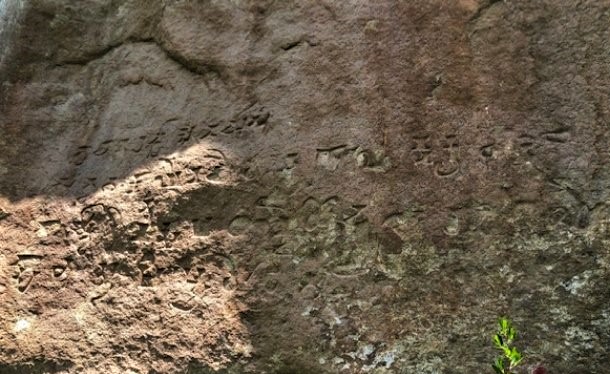
What does the Rock Inscription of Jehanabad say?

Jahanabad Rock inscription 1

“Not to commit any sin, to acquire merit, to purify one’s mind – that is the teaching of Buddha”

Jahanabad Rock inscription

Jahanabad Rock inscription 2

“(let him be one) who guards his speech, is well restrained in mind, and commits no evil with his body. Keeping these three roads of action clear, one may gain the path taught by the sages”

Jahanabad Rock inscription

Where can I find things to eat?

There is plenty to eat and drink all around Jahanabad, especially in the Manglawar Market

You can get plenty of hotels and Airbnb bookings online.

jahanabad buddha swat
Buddhist Ruins in Swat

Buddhist sites to combine with Jahanabad

Jahanabad can form part of a wider Buddhist heritage journey through Swat and Mardan. The Balo Kalay–Gumbat complex introduces the archaeological landscape around Barikot, while the UNESCO-listed Takht-i-Bahi Buddhist monastery preserves one of Pakistan’s most substantial monastic complexes.

The Mardan city guide also includes Jamal Garhi and other places connected with Gandharan history.

Another view of Ancient cave

s the Jahanabad Buddha worth visiting?

The Jahanabad Buddha is one of Swat’s most compelling heritage sites. Its scale, quiet mountain setting and carefully restored face communicate both the artistic achievement of ancient Buddhist Swat and the vulnerability of archaeological monuments in the present.

Visit during daylight, follow the recognised approach and respect nearby residents and orchards. Do not touch or climb the carving, remove stones or enter uncertain rock shelters. The monument’s survival depends as much upon responsible visitors as it does upon formal conservation.

Stay Curious

Discover new places, ideas and stories from How 2 Have Fun — delivered occasionally to your inbox.

Subscribe →
Advertisement