19 most beautiful mosques of Pakistan
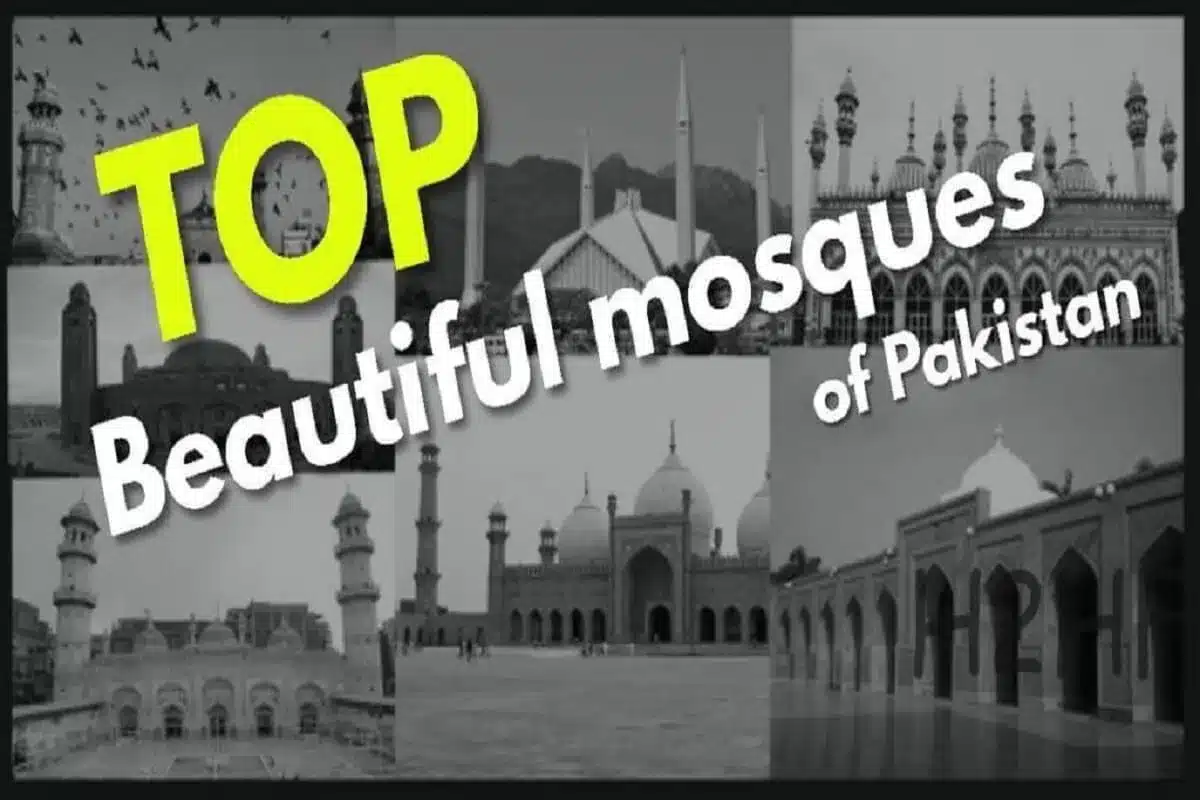
.jpg)
Badshahi Mosque Lahore
Badshahi mosque, built in 1671 AD, just outside the Lahore Fort, is beautiful because it is the symbol of Mughal dominance, over a majority Hindu India. Aurangzeb Alamgir made sure that his puritanical symbol of Islam might stay on for eternity for everyone to draw inspiration from..jpg)
Badshahi Masjid also has a 100,000-people capacity in its courtyard
Also see, Heritage Sites outside of Lahore
.jpg)
Faisal Mosque Islamabad
This Bedouin tent-shaped mosque looks like Pharaoh’s pyramid from far off. It is iconic to Islamabad and the location, just at the foothills of Margalla. Faisal mosque is divine in overcast conditions.
My favorite part of this mosque is the chandelier that is hanging from a delicately designed concrete truss suspended from the top of this triangular mosque. In the evening time, when they light up this chandelier, it looks like the sun has come down from the skies.
.jpeg) Shah Faisal Mosque has a 100,000 people capacity and is named after Shah Faisal of Saudi Arabia who funded it.
Shah Faisal Mosque has a 100,000 people capacity and is named after Shah Faisal of Saudi Arabia who funded it.
.jpg)
Grand Jamia Mosque Bahria Town Lahore
Grand Jamia Masjid Bahria Town, Lahore is designed like a modern-day Hagia Sophia. Its red brickwork and intricate patterns inside are unparalleled. Malik Riaz may be corrupt, like the Mughals before him, but the man has a vision of grandeur, and that is what’s visible in his structures.
It has four minarets, 21 domes, and a rare text Islamic library.
.jpg) You’d love to bury your head in reverence to the almighty under the high dome of this clean, peaceful, and well-maintained mosque.
You’d love to bury your head in reverence to the almighty under the high dome of this clean, peaceful, and well-maintained mosque.
.jpg)
Shah Jehan Mosque Thatta
Shah Jehan the Mugah built this mosque at the prime of Muslim dominance over India. The mosque is designed like a Bara Dari, with thin sandstone bricks, blue and white tiles, and motifs. This mosque is included in the list of UNESCO World Heritage sites..jpg)
Thatta, where the mosque is located, was once an ancient and thriving city, in fact, the only one south of Multan in the 13th century, but Indus changing its course ended all that.
.jpg)
Mahabat Khan Mosque Peshawar
Mahabat Khan the Mughal Governor of Peshwar built this mosque in 1670 AD, at the center of the city right beside the iconic Qila Balahisar to show the muslim dominance of the province.
The exterior is made of red brick and the domes of white marble.
The minute you set foot into the main compound of this mosque, a whiff of incense and a cool breeze greet you. Even the floors are cool during the blistering heat. .jpg)
The Sikh Hung Muslim rebels from the minarets of the mosque.

Juma Masjid Bhambore Sindh
Juma Mosque in the ruins of the ancient harbor city of Bhambore
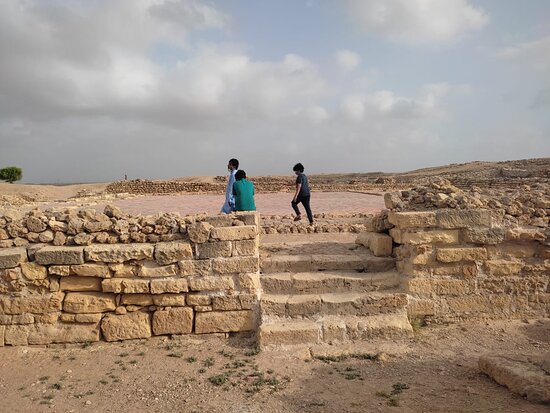 is probably the only continually used structure of the Indus Valley civilization time, several thousand years back.
.jpg)
Bhong mosque, Sadiqabad, Rahim Yar Khan
Constructed in 1932 by Rais Ghazi Muhammad, the Persian carpets, chandeliers, paintings, marble, and glasswork are stunning..jpg) Bhong mosque gives a hint of Russian architecture too. The mosque was awarded the 1986 Agha Khan Award for architecture because of its sheer beauty.
Bhong mosque gives a hint of Russian architecture too. The mosque was awarded the 1986 Agha Khan Award for architecture because of its sheer beauty.
.jpg)
Chaqchan Mosque, Khaplu
This 12th-century mosque was once a Buddhist temple, with its solid rock plinth beam still visible to visitors..jpg)
Chaqchan mosque Khaplu is made of wood and there is still a Star of David visible on its main door.


.jpg)
Wazir Khan Mosque, Lahore
Shah Jahan’s governor, Wazir Khan 1634 built this mosque in the heart of the walled city of Lahore. .jpg) The multicolored mosaics, tile work, and geometric patterns are unique to Mughal artisans. There is also a lotus-like central fountain inside Wazir Khan Mosque.
The multicolored mosaics, tile work, and geometric patterns are unique to Mughal artisans. There is also a lotus-like central fountain inside Wazir Khan Mosque.


.jpg)
.jpg)
Jamia Masjid Ghousia Rawalpindi
There is a controversy about the origins of this mosque. Some historians say it was built by philanthropic Muslims in 1903while others say it was first started by Ranjit Singh in 1860 AD. .jpg) Either way, the Jamia Mosque Ghausia, Rawalpindi’s inlaid artwork is stunning. It used to be called Lal Masjid, but not anymore since it is now all white.
Either way, the Jamia Mosque Ghausia, Rawalpindi’s inlaid artwork is stunning. It used to be called Lal Masjid, but not anymore since it is now all white.
.jpg)
Mavi Sukh Chain mosque Lahore
Sukh Chain housing scheme people have built a mosque to be proud of..jpg) The inlay and decorative work inside the main dome cannot be found anywhere else.
The inlay and decorative work inside the main dome cannot be found anywhere else.
.jpg)
.jpeg)
Discover new places, ideas and stories from How 2 Have Fun — delivered occasionally to your inbox.
Subscribe →