Loh-e-Dandi Hike Islamabad: Chilla Gah Route Guide

loh-e-dandi pir sohawa

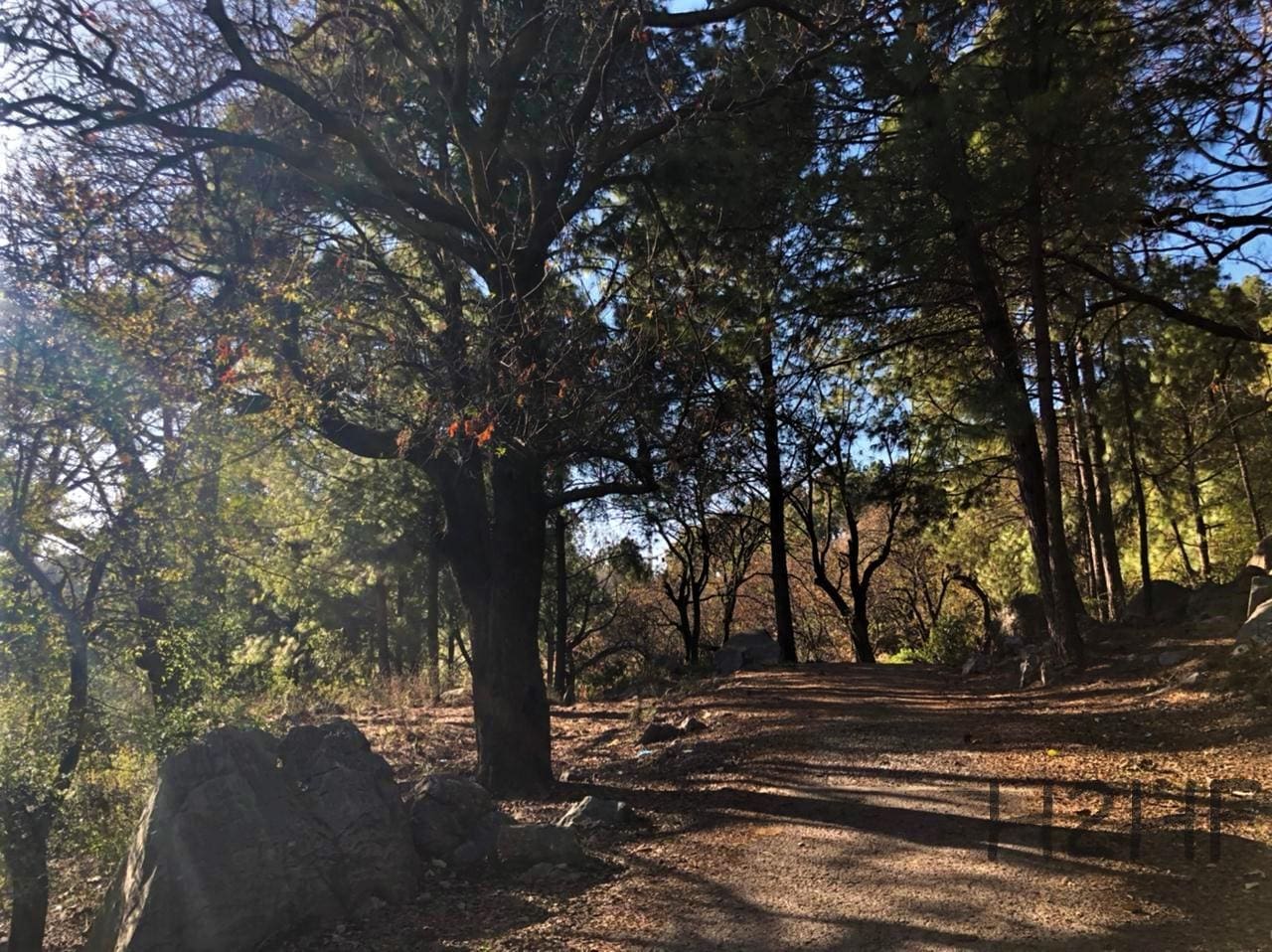
The Loh-e-Dandi hike begins near Nurpur Shahan behind Bari Imam Shrine and climbs through the Margalla Hills towards a Chilla Gah associated with the spiritual traditions of Bari Imam.
This route combines hiking, expansive views and living religious heritage. However, access beyond the Chilla Gah may be restricted, and visitors must follow the instructions of police, wildlife staff and other authorities.
During our visit, we continued beyond the Chilla Gah towards the Pir Sohawa side. That experience is recorded here as a personal travel account—not as permission or encouragement for readers to follow a closed route.

Before visiting, read our separate guide to the history and traditions of Bari Imam Shrine Islamabad.
Loh-e-Dandi hike at a glance

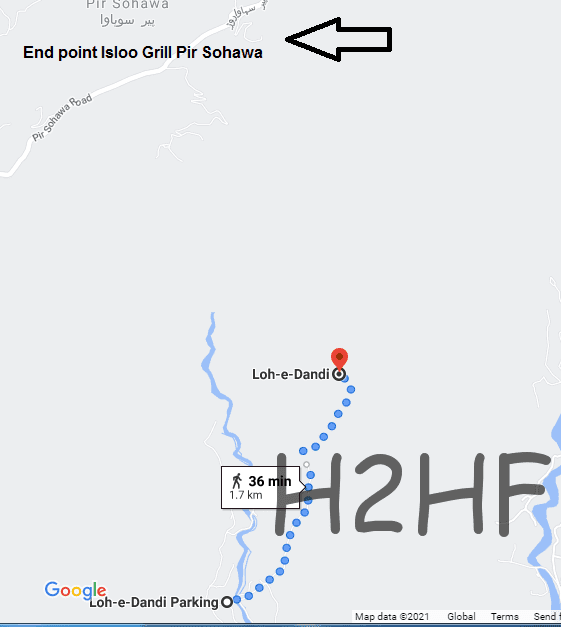
  • Starting area: Loh-e-Dandi parking, Nurpur Shahan
  • Principal destination: Loh-e-Dandi Chilla Gah
  • Estimated time: Approximately one hour each way during our visit
  • Difficulty: Moderate, depending on fitness and conditions
  • Route surface: Steps, rocky ground and mountain paths
  • Water: Carry your own supply
  • Access beyond the Chilla Gah: Verify locally and obey restrictions
  • Best time: Early morning in mild, dry weather

Travel time varies according to fitness, weather, stops and current access arrangements.


How far should you hike?

The clearly identifiable first section leads from Loh-e-Dandi parking towards the Chilla Gah. This should be treated as the principal visitor route.

Advertisement

The upper mountain section towards Pir Sohawa has reportedly been restricted at different times. Do not proceed if an official, barrier or sign indicates that access is closed. Conditions and permissions can change, so verify the situation on the day of your visit.

Pir Charouni is a separate hiking destination and should not be presented as an automatic continuation of the Loh-e-Dandi route.

Who can attempt the hike?

Suitability depends on fitness, balance, health, weather and trail conditions—not a person’s gender or age alone.

The climb may be unsuitable for people with significant heart, respiratory, mobility or balance problems unless their clinician has cleared them for this level of exertion. Children require close adult supervision, particularly near rocks and exposed sections.

Advertisement

Visitors can turn back at any stage; reaching the highest point is not necessary to enjoy the landscape or spiritual setting.

Hiking safety

No mountain route can be described as completely safe. Travel during daylight, remain with your group and follow established paths.

Carry drinking water, a charged phone, offline map, sun protection and basic first-aid supplies. Avoid the route during storms, heavy rain, extreme heat, poor visibility or wildfire warnings.

What to see along the Loh-e-Dandi route

Depending on current access and conditions, visitors may experience:

  • The religious landscape surrounding Bari Imam
  • Steps and paths leading towards the Chilla Gah
  • Views across Nurpur Shahan and Islamabad
  • Rock formations connected with local oral traditions
  • Langar and devotional activity near the Chilla Gah
  • Distant views towards the Bruti valley
  • Monkeys and other Margalla wildlife

Open fires and barbecues can damage the Margalla landscape and may be prohibited because of wildfire risk. Visitors should not light fires unless they are in a specifically authorised facility where current regulations permit it.

Parking and return planning

If travelling by car, confirm locally where parking is currently permitted and avoid blocking village access.

Advertisement

Plan the hike as a return journey to the same parking area unless a reliable pickup has been arranged at an authorised endpoint. Do not depend on hitchhiking or finding informal transport after reaching the upper hills.

Bari Imam and Loh-e-Dandi

Shah Abdul Latif Kazmi, widely known as Bari Imam, was a seventeenth-century Qadiri Sufi associated with Nurpur Shahan and the Margalla Hills.

Local devotional traditions connect several meditation sites in the hills with periods of spiritual retreat undertaken by Bari Imam. Precise durations and miraculous stories should be identified as religious tradition unless supported by reliable historical evidence.

The Chilla Gah remains meaningful to devotees and should be approached with respect. Visitors should dress appropriately, avoid interrupting worship and ask permission before photographing people.

For another combination of Margalla nature and spiritual heritage, explore our guide to Nilan Bhotu Islamabad.

My Climb from Loh e Dandi parking to Pir Sohawa

The first leg of my hike from Loh e dandi parking to the Langar Khana was not too great, especially because there are too many desperately poor people there.

I enjoyed the second leg of my hike from Bari Sarkar Langar Khana to Pir Sohawa viewpoint, as no one is allowed to climb above this site.

There is a Rangers’ soldier positioned there to discourage people from climbing up, but I managed to give him the slip.

The soldier said there have been muggings on the second leg, but I experienced no such thing.

If the authorities are concerned about muggings, I suggest they look for the muggers instead of denying people of Rawalpindi/Islamabad of such a wonderful recreation.

There is no water on the second and third leg to drink

At one ridge along the trail, the wind speed picks up significantly and gets scary.

I got to Pir Sohawa viewpoint and saw several families barbecuing in the pine forest.

After reaching the main Pir Sohawa road, I asked a local for the route to Pir Charouni Top and pointed westwards.

Pir Charouni is also a moderate hike.

The icing on the cake after a long hike would be to wait for the sunset at Pir Charouni.

Panoramic view from Bari Sarkar’s Chilla Gah all the way to Margalla Pass is beautiful, especially on a clear day after a rainfall.

Is the Loh-e-Dandi hike worth doing?

The permitted route to Loh-e-Dandi Chilla Gah offers a distinctive combination of Margalla scenery, physical activity and Islamabad’s Sufi heritage.

Begin early, carry water and respect the site’s religious character. Most importantly, treat the Chilla Gah as the endpoint whenever onward access is restricted. The value of the journey lies in experiencing the landscape respectfully—not in bypassing barriers to reach the highest point.

Stay Curious

Discover new places, ideas and stories from How 2 Have Fun — delivered occasionally to your inbox.

Subscribe →
Advertisement