Balo Kalay–Gumbat Buddhist Site, Swat: History and Visitor Guide

balo kalay buddhist stupa swat

Balo Kalay–Gumbat is an important Buddhist archaeological site in the hills south of Barikot, Swat. The complex is known for its imposing stone shrine, associated stupas and elevated views across the surrounding valleys.
Located near ancient Barikot—historically identified with Bazira—the site belongs to Swat’s wider Gandharan landscape. Numerous Buddhist monasteries, shrines, stupas and rock carvings survive across this part of the valley.
Balo Kalay is less frequently visited than Swat’s principal tourist attractions, but its architecture and secluded mountain setting make it particularly rewarding for travellers interested in archaeology and Buddhist heritage.

balo kalay buddhist stupa swat

History of Balo Kalay–Gumbat

Ancient Barikot is commonly identified with Bazira, a fortified settlement associated with Alexander of Macedon’s campaign in the region during the fourth century BCE. In later centuries, the area came under Mauryan, Indo-Greek, Indo-Scythian, Indo-Parthian and Kushan influence.

Advertisement

The Buddhist complex at Balo Kalay–Gumbat developed much later than Alexander’s campaign. Archaeological evidence generally places its monumental Buddhist shrine around the first or second century CE, with later additions and continued activity at the site.

Archaeologist Aurel Stein recorded the ruins during his surveys of Swat in the early twentieth century. Subsequent archaeological work identified the principal monument, surrounding structures and smaller stupas. Conservation and excavation were undertaken during the early 2010s with Pakistani and Italian archaeological involvement.

The double-domed Buddhist shrine

Balo Kalay–Gumbat is particularly notable for its substantial stone shrine, sometimes described as a Great Vihara or double-domed Buddhist building. The term refers to the architectural construction of the monument and should not be interpreted as two complete domes visible one above the other.

Advertisement

The wider archaeological area includes a principal sacred building, terraces, smaller stupas and remains associated with Buddhist religious activity. Some architectural details visible today have been stabilised or reconstructed during conservation.

To get to the plateau where Balokally stupa is, you’d require a 4×4 vehicle, as the climb is steep and muddy in some places.

After seeing several archeological sites related to Buddhism, I have developed a knack for recognizing which would be the perfect site for spiritual inspiration.

balo kalay buddhist stupa swat

Setting of the archaeological site

Several natural features make Balo Kalay memorable:

Advertisement
  • Its elevated position above the surrounding valleys
  • Panoramic views across the Swat landscape
  • Rocky hills protecting the site from behind
  • Streams and cultivated land within the wider valley
  • A quiet setting away from Swat’s busiest tourist centres
balo kalay buddhist stupa swat

How to reach Balo Kalay–Gumbat

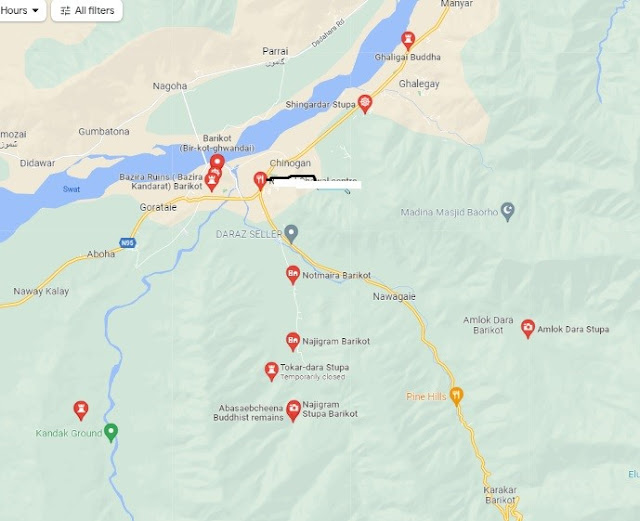
The site is reached from Barikot through the Kandak–Balo Kalay area. During my visit, the journey from Islamabad covered approximately 220 kilometres and took a little over three hours, but present travel time will depend upon motorway conditions, traffic and stops.

From Islamabad, the general route follows the M-1 before joining the Swat Expressway towards Barikot. Confirm the correct motorway exit and final village approach through a current navigation service before travelling.

The final ascent may be steep, rough or muddy. A high-clearance or four-wheel-drive vehicle may be necessary depending upon recent weather and road maintenance. Do not assume an ordinary car can reach the upper archaeological area.
 Visit during daylight and confirm current road and security conditions locally before travelling to a remote archaeological site. Avoid beginning the final approach near sunset, particularly if you are unfamiliar with the route.

Best time to visit

Spring and autumn generally provide the most comfortable conditions for exploring Balo Kalay. Summer afternoons around Barikot can be hot, while winter mornings and evenings may be cold.

Advertisement

Avoid the final climb during heavy rain because unpaved sections may become muddy and difficult for vehicles. Check the local forecast before leaving Barikot.

balo kalay buddhist stupa swat

Food and facilities

Barikot has local restaurants, shops and fuel stations, but facilities near the archaeological complex may be limited. Carry drinking water and any essential food before beginning the final approach.

Balo Kalay is a living village rather than an enclosed tourist resort. Dress respectfully, ask before photographing residents or homes, and avoid entering farmland or private property without permission.

balo kalay buddhist stupa swat

What to see at Balo Kalay–Gumbat

Visitors can see:

  • The monumental Buddhist shrine
  • Associated stupas and stone foundations
  • Excavated and conserved architectural remains
  • Terraces overlooking the valley
  • The surrounding Gandharan archaeological landscape

Remain on recognised paths and do not climb the monuments. Architectural chambers, platforms and niches should not be assigned specific functions unless they are identified on an archaeological information board or in a reliable excavation report.

How many Buddhist stupas are there in Swat?

While the better-preserved stupas in Swat number a dozen only, there are many more identifiable Buddhist archeological sites in Swat.

Travellers following Pakistan’s Buddhist heritage can combine Swat with the UNESCO-listed Takht-i-Bahi Buddhist monastery. The nearby Mardan city guide also introduces Jamal Garhi and other Gandharan remains.

For comparison with the monastic architecture around Taxila, see the better-preserved ruins of Jaulian Monastery.

Is Balo Kalay–Gumbat worth visiting?

Balo Kalay–Gumbat is one of Swat’s most rewarding destinations for travellers interested in Gandharan archaeology. Its monumental stone architecture, mountain setting and relationship with ancient Barikot give it significance beyond that of an isolated ruin.

Because the site remains relatively remote, visitors should confirm the approach, travel during daylight and treat the entire complex as protected heritage. Do not climb the structures, move stones or leave rubbish behind.

balo kalay buddhist stupa swat
Bazira Ruins
Stay Curious

Discover new places, ideas and stories from How 2 Have Fun — delivered occasionally to your inbox.

Subscribe →
Advertisement