Nicholson’s Monument near Taxila: History and Visitor Guide
Nicholson’s monument Pakistan

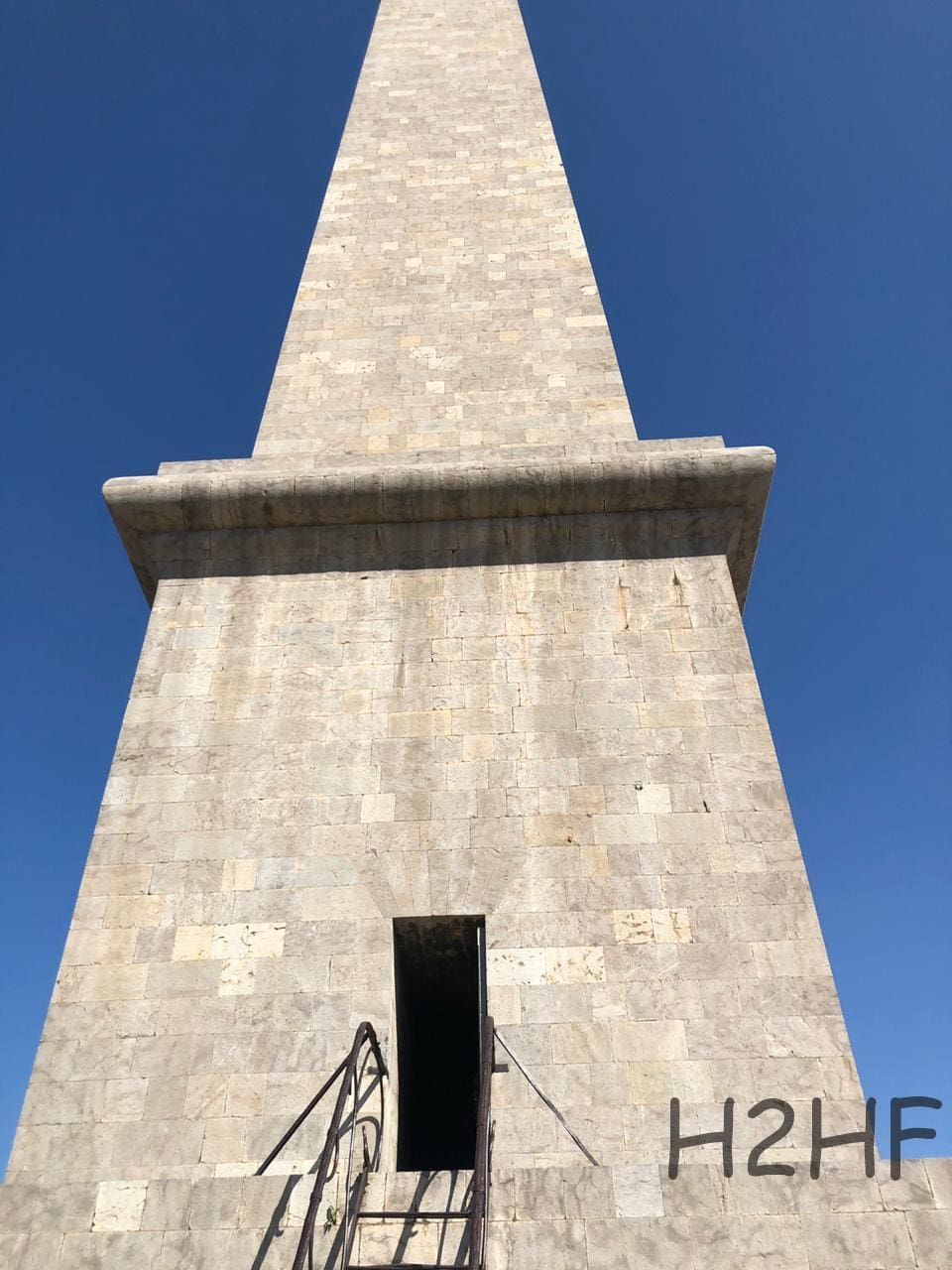
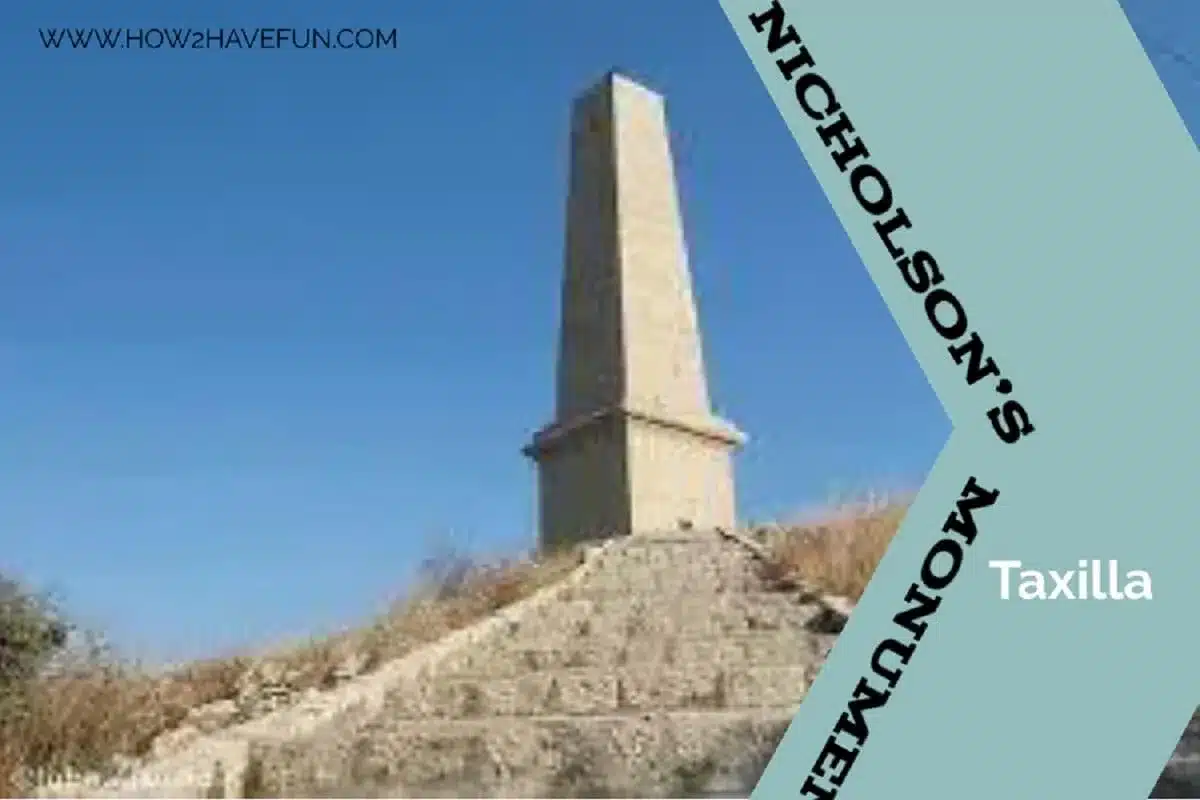
Nicholson’s Monument is a colonial-era memorial standing above Margalla Pass on the Grand Trunk Road between Rawalpindi and Taxila. Its elevated position makes it a prominent landmark and provides views across this historically important passage.

The monument commemorates Brigadier-General John Nicholson, an East India Company officer who served in the Punjab and North-West Frontier and died during the British assault on Delhi in 1857.

Visiting the monument raises two separate questions: what role did Nicholson play in British expansion, and how should Pakistan interpret monuments created to celebrate colonial power?

Advertisement

Nicholson’s Monument at a glance

  • Location: Margalla Pass, between Rawalpindi and Taxila
  • Monument type: Colonial memorial tower or obelisk
  • Historical period: British colonial period
  • Commemorates: Brigadier-General John Nicholson
  • Nearby feature: Historic paved road through Margalla Pass
  • Legal status: Protected antiquity
  • Best time to visit: Daylight, in clear and dry weather

Who was John Nicholson?

John Nicholson was born in Ireland in 1822 and joined the East India Company’s army as a young man. He served in Afghanistan, Punjab and the frontier regions, including a period as Deputy Commissioner of Bannu.

He became celebrated in British imperial accounts as a forceful soldier and administrator. However, modern historical discussion also examines his racial prejudice, authoritarian conduct and support for severe punishments during colonial campaigns.

Advertisement

Nicholson was wounded during the British assault on Delhi in September 1857 and died soon afterwards. The monument near Taxila was erected during the colonial period to preserve the British imperial memory of him.

Nicholson’s controversial reputation

Nicholson’s reputation differs sharply according to perspective. Colonial-era British accounts often portrayed him as courageous, disciplined and decisive. Later scholarship has drawn attention to his hostility towards Indians and Afghans and to accounts of brutal punishment carried out under his authority.

This does not require us to erase the monument. It requires the monument to be interpreted honestly. A memorial originally intended to glorify an imperial officer can now help visitors examine how colonial power created its heroes and silenced the experiences of the people it governed.

Any direct quotation attributed to Nicholson should include its original source, author, book title and page number. Otherwise, paraphrasing is more responsible.

Advertisement
The battle for Delhi 1857

The “Nikal Seyn” tradition

Historical accounts describe a small group of followers who treated Nicholson with saint-like reverence and called him “Nikal Seyn.” Interpretations of this episode vary, and it should not be used to suggest that the wider local population worshipped or admired him.

The episode is more useful as an example of the complicated relationships that could develop between colonial officers and some local groups.

The older road below the monument

Nicholson’s Monument overlooks more than colonial history. Margalla Pass has connected the Punjab plains with Taxila and regions farther northwest for centuries.

The Department of Archaeology and Museums records a dressed-stone roadway near the pass and an inscription dated 1083 AH, corresponding to 1672 CE, from the reign of Aurangzeb Alamgir

This older road gives the visit greater historical depth: the colonial monument occupies a landscape used by travellers and armies long before the British period.

Should Nicholson’s Monument be removed?

My view is that the monument should be preserved but reinterpreted.

Advertisement

Removing it would erase physical evidence of how the British Empire represented itself. Leaving it without explanation, however, allows the original imperial celebration to remain unchallenged.

An information board should explain:

  • Nicholson’s service in the East India Company
  • His role in British frontier administration
  • His participation in suppressing the 1857 uprising
  • Documented criticism of his racial attitudes and methods
  • The monument’s original colonial purpose
  • The longer history of Margalla Pass

Preservation does not require admiration. A monument can be conserved as evidence while its original message is openly questioned.

Continue into Taxila with our guide to the ancient city of Sirkap.

Plan more nearby experiences through our Islamabad travel guide.

A quieter religious site in the same western Margalla landscape is covered in our guide to the Hazir Pir Shrine Trail..

Why Nicholson’s Monument matters

Nicholson’s Monument is worth visiting not because visitors must admire the man it commemorates, but because it reveals how empires construct public memory.

The memorial, the old road and the Margalla Pass belong to different layers of the same landscape. Preserving them with accurate interpretation would allow visitors to examine colonial rule critically while appreciating the region’s much longer history.

Pakistan does not need to destroy difficult history. It needs to explain it better.

Stay Curious

Discover new places, ideas and stories from How 2 Have Fun — delivered occasionally to your inbox.

Subscribe →
Advertisement